
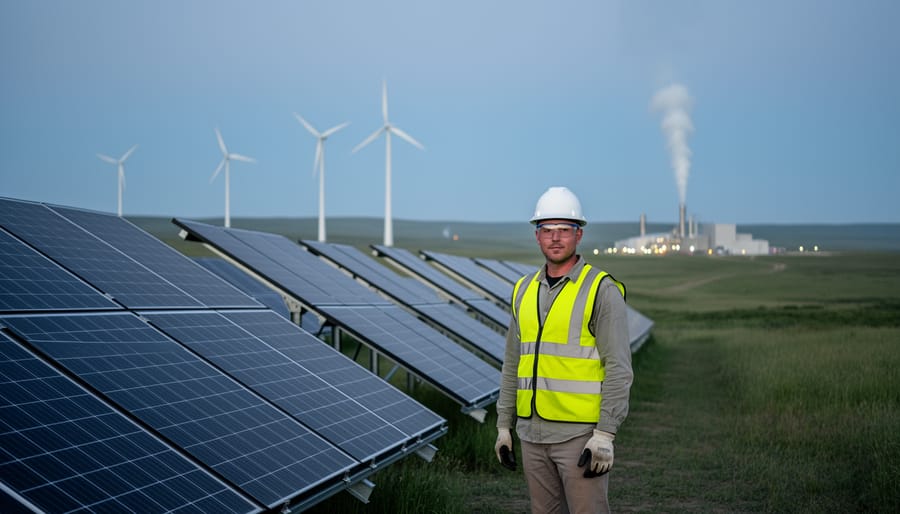
Alberta’s energy landscape is expanding far beyond its oil and gas roots, creating thousands of career opportunities in solar, wind, geothermal, hydrogen, and energy efficiency sectors. These jobs range from hands-on technical roles like solar panel installers and wind turbine technicians to project management, engineering, and sustainability consulting positions. The transition offers accessible pathways for career changers, newcomers, and students through apprenticeships, free training programs, and targeted certifications that don’t always require a four-year degree.
The shift is already underway. According to renewable energy and energy efficiency reports, 26% of jobs in Alberta’s clean energy sector are direct positions, with the remainder supporting supply chains and related industries. The provincial government has backed this transition with incentives for both employers and workers entering sustainable energy fields, recognizing that economic diversification and environmental responsibility go hand in hand.
Getting started requires understanding which career path aligns with your current skills and interests. Programs like ENERLINC provide free training for newcomers exploring carbon-neutral careers, while registered apprenticeships offer paid, on-the-job learning in renewable technologies. Those with experience in traditional energy may find their skills transfer naturally to roles requiring power engineer certification in Alberta where thermal and electrical expertise applies directly to geothermal plants and biomass facilities.
This article maps the clean energy career landscape in Alberta, explains verified training pathways, and provides concrete steps to transition into these growing fields, whether you’re entering the workforce for the first time or pivoting from another industry.
Why Alberta’s Energy Landscape Is Changing
Alberta’s energy sector is undergoing a fundamental transformation driven by converging environmental, economic, and technological forces. The province once synonymous with oil sands is now investing heavily in renewables, energy efficiency, and electric vehicle infrastructure, creating career pathways that didn’t exist a decade ago.
Climate action commitments are reshaping how Alberta generates and uses energy. The provincial government and private sector are both targeting net-zero emissions, spurring investment in solar farms, wind projects, and carbon management systems. Federal programs like the Renewable and Alternative Energy Program provide funding to advance clean technology development, directly supporting job growth in these emerging fields.
Economic diversification is another catalyst. Alberta recognized the need to reduce dependence on volatile oil and gas markets, positioning clean energy as a stable growth sector. This shift isn’t theoretical, 26% of renewable energy and energy efficiency jobs are direct positions, meaning hands-on roles in installation, maintenance, engineering, and project delivery.
Consumer demand accelerates the transition. Electric vehicle adoption is climbing, requiring trained professionals to install and service charging stations at homes, workplaces, and public spaces. Homeowners want energy-efficient retrofits and renewable power that make solar affordable and practical. Businesses need sustainability consultants to cut emissions and meet corporate environmental targets.
These drivers create real employment opportunities. Solar and wind projects need technicians and engineers. EV infrastructure demands electricians and customer service specialists. Energy audits and building performance require skilled trades and diagnostics experts. Alberta’s energy landscape isn’t just changing, it’s hiring people to build the change.
Career Fields in Alberta’s Clean Energy Sector
Renewable Energy Generation
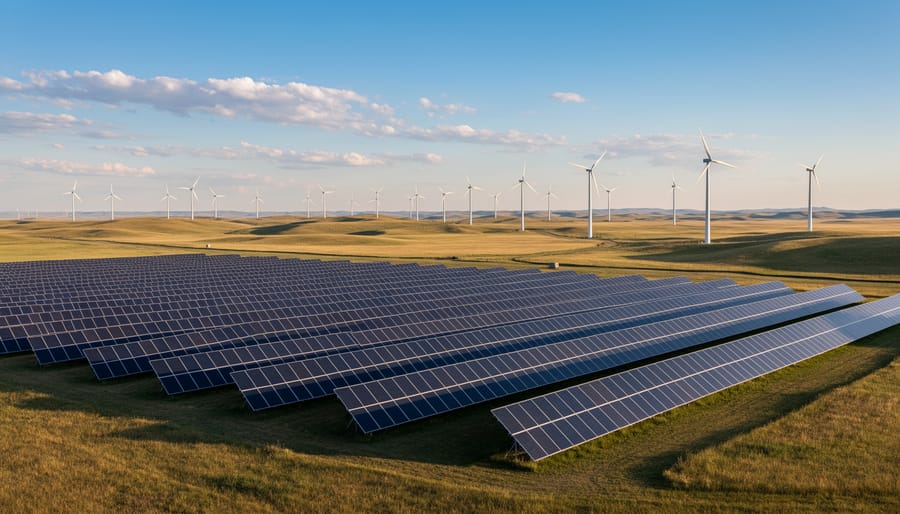
Solar and wind projects anchor Alberta’s renewable energy expansion, creating hands-on roles that bridge familiar industrial work with clean technology. Technicians install photovoltaic panels and wind turbines, often working outdoors in crews that value precision and safety, skills oil and gas workers already bring. Once systems are operational, maintenance teams perform inspections, troubleshoot electrical issues, and replace components to keep generation running smoothly. These positions reward mechanical aptitude and problem-solving under real-world conditions.
Project managers coordinate timelines, budgets, and contractor teams to deliver solar farms and wind installations on schedule. Engineers design systems, assess site feasibility, and optimize grid integration, applying the same analytical rigor used in conventional energy infrastructure. Electricians, welders, and heavy equipment operators find their trade credentials translate directly: wiring inverters, securing tower foundations, and managing site logistics differ in application, not core competency.
The transition feels less like starting over and more like redirecting expertise toward generation that cuts emissions while powering homes and businesses. Alberta’s growing renewable capacity means steady demand for people who understand large-scale energy projects and can adapt their craft to wind and solar.
Electric Vehicle Charging Infrastructure
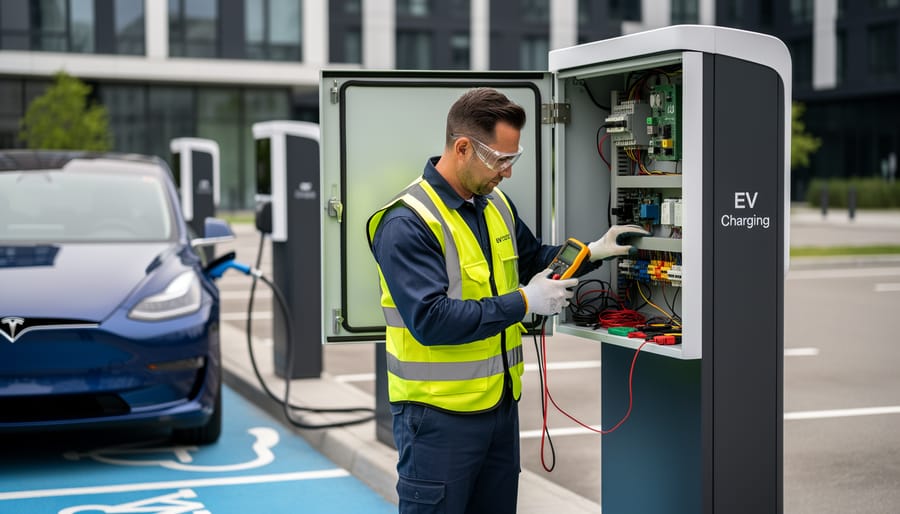
Electric vehicle adoption is accelerating across Alberta, creating steady demand for professionals who can install, maintain, and manage charging infrastructure. These roles span residential installations for homeowners, multi-unit deployments like EV chargers condos and commercial networks serving fleet operators and public locations. Installers need strong electrical troubleshooting skills and familiarity with local codes, while network managers oversee uptime, customer support, and system monitoring. The technical work often involves integrating chargers with existing electrical systems, including pairing solar to charge EVs at homes and businesses. Customer service matters just as much: explaining charging options, guiding first-time EV owners, and responding quickly to service calls build trust and repeat business. As companies and municipalities keep pace with EV movements employers seek workers who combine hands-on technical ability with clear communication. Solar Car Energy installs and supports EV charging solutions across Alberta, offering real-world experience in a sector where career stability and environmental impact align.
Energy Efficiency and Building Performance
Alberta’s building sector offers substantial career opportunities for professionals focused on reducing energy consumption and improving performance. Energy auditors assess homes and commercial buildings to identify inefficiencies, using diagnostic tools like blower door tests and thermal imaging to pinpoint air leaks, insulation gaps, and equipment performance issues. These findings guide retrofit projects that cut heating and cooling costs while lowering emissions.
Retrofitting specialists implement the solutions auditors recommend, from upgrading insulation and sealing building envelopes to replacing windows and improving ventilation systems. HVAC technicians skilled in modern, high-efficiency heating and cooling equipment are in demand as property owners replace outdated systems with heat pumps, smart thermostats, and energy recovery ventilators that align with Alberta’s environmental goals.
Building automation technicians install and maintain systems that optimize energy use in real time, managing lighting, temperature, and ventilation through sensors and controls. These roles require both technical proficiency and problem-solving skills, as no two buildings present identical challenges.
The shift toward net-zero construction and deep energy retrofits creates steady demand for professionals who can deliver measurable reductions in energy consumption. Training pathways include apprenticeships, technologist programs, and specialized courses that blend traditional building science with clean energy principles, preparing workers for roles that combine environmental impact with practical, cost-saving outcomes.

Carbon Management and Sustainability Consulting
Alberta’s businesses and government agencies increasingly need professionals who can design carbon reduction strategies, measure emissions, and guide organizations toward sustainability targets. Carbon management specialists analyze energy use, identify inefficiency, and recommend practical steps to lower a company’s environmental impact. Sustainability consultants help clients navigate carbon-neutral planning, set achievable goals, and implement changes across operations, from supply chain choices to waste reduction.
These roles demand analytical skills, clear communication, and an understanding of both environmental science and business operations. You’ll work with data to track progress, present findings to leadership, and translate environmental goals into actionable plans. Many employers value candidates who combine technical knowledge with project management experience, as sustainability initiatives often require coordinating teams and stakeholders.
The sector serves industries transitioning away from high-emission practices, including construction, manufacturing, logistics, and energy. As Alberta’s economy diversifies, organizations seek professionals who can balance environmental responsibility with operational efficiency, making carbon management and sustainability consulting a growing field for those ready to help businesses meet environmental commitments while maintaining competitiveness.
Energy Storage and Grid Modernization
Alberta’s shift to renewable energy creates a critical need for professionals who can manage power when the sun isn’t shining and the wind isn’t blowing. Energy storage systems, particularly large-scale batteries, are essential for storing excess renewable power and releasing it during peak demand. Careers in this field include battery system designers, integration engineers, and technicians who install and maintain storage installations at solar farms, wind projects, and grid substations.
Grid modernization goes hand in hand with storage. Alberta’s electricity grid needs smart technology to balance variable renewable sources, predict demand patterns, and prevent outages. Roles in grid integration involve software specialists, electrical engineers, and data analysts who optimize energy flow and ensure system reliability. Technicians familiar with automation, sensors, and digital controls find opportunities in upgrading infrastructure to handle two-way power flows from distributed solar and EV charging networks.
These positions blend electrical expertise with digital skills. You’ll work with cutting-edge battery chemistry, grid software platforms, and real-time monitoring systems that didn’t exist in traditional energy roles.
Training and Education Pathways
Apprenticeships and Trades Programs
Registered apprenticeships offer a proven pathway into clean energy careers by combining hands-on experience with classroom instruction, and you earn a wage while you learn. The Registered Apprenticeship model pairs you with an employer who sponsors your training, covering practical skills on real job sites alongside technical coursework. This approach is especially valuable in Alberta’s evolving energy sector, where traditional trades are expanding to meet renewable demands.
Electricians now install solar arrays and EV charging stations alongside conventional wiring. HVAC technicians work with heat pumps and geothermal systems that replace fossil-fuel heating. Construction trades contribute to net-zero buildings and energy retrofit projects. If you’re already certified in one of these fields, transitioning into clean energy applications often requires short additional training rather than starting over. For newcomers, apprenticeships provide a direct entry point with employer support and a clear progression toward certification.
Alberta’s clean energy growth means more employers need skilled tradespeople who understand both foundational techniques and emerging technologies. An apprenticeship puts you in that workforce immediately, building expertise that stays relevant as the sector continues to shift.
Post-Secondary Programs
Post-secondary institutions across Alberta offer technologist, technician, and engineering programs that prepare students for renewable energy and sustainability careers. Engineering degrees provide foundational knowledge in electrical, mechanical, or environmental systems, while technologist programs focus on applied design and project implementation. Technician diplomas deliver hands-on skills in installation, troubleshooting, and system maintenance, essential for roles in solar installation, wind turbine maintenance, and EV charging infrastructure.
When evaluating programs, look for curriculum that covers emerging technologies like battery storage, grid modernization, and building automation alongside traditional energy principles. Strong industry partnerships matter: programs that connect students with employers through co-ops, internships, or capstone projects help you build networks and gain real-world experience before graduation. Hands-on lab time and field training separate programs that prepare you for day-one work from those that stay theoretical.
Many programs allow transfer of credits from trades backgrounds or prior energy sector experience, shortening your path to a credential. Whether you pursue a two-year diploma or a four-year degree, choose a program aligned with your career target and learning style, technical roles reward practical competence, while project management and engineering positions often require formal degrees.
Specialized Clean Energy Training
If you’re new to Alberta or considering a career shift into clean energy, specialized training programs can accelerate your entry into the field. ENERLINC stands out as a free program designed specifically for newcomers exploring energy transition and carbon-neutral careers in Alberta. It provides clear pathways into clean energy and sustainability sectors, equipping participants with leadership and workplace skills, industry insight, and job readiness support. The program also facilitates employer connections and offers guidance for long-term career resilience, making it a valuable starting point for those unfamiliar with Alberta’s evolving energy landscape.
Beyond ENERLINC, renewable-specific training programs address the technical demands of solar installation, wind turbine maintenance, and energy storage systems. These courses often complement apprenticeships or post-secondary credentials, filling gaps left by traditional energy sector education. Targeted training helps you develop competencies in areas like photovoltaic system design, grid integration, or battery technology, skills that employers actively seek as Alberta’s clean energy capacity grows. Whether you’re transitioning from oil and gas or entering the workforce for the first time, specialized programs can position you for roles that didn’t exist a decade ago.
Skills You’ll Need
Success in Alberta’s clean energy sector requires a blend of technical knowledge and human-centred skills that many workers already possess or can develop quickly. Technical proficiency is foundational, whether you’re wiring solar panels, installing EV chargers, or conducting energy audits, you need hands-on competence with tools, systems, and safety protocols. Most trades and technician roles build this through apprenticeships and on-the-job training rather than expecting it upfront.
Problem-solving separates competent workers from standout ones. Clean energy projects often involve unique site conditions, evolving codes, and technology that’s still maturing, so you’ll troubleshoot installation challenges, adapt designs to real-world constraints, and find solutions when standard procedures don’t fit.
Customer service matters more than many assume, especially in residential and commercial EV charging work. You’re explaining technology to property owners, managing expectations around timelines and costs, and leaving clients confident in their investment, communication and patience go a long way.
Project management skills help you coordinate timelines, materials, and teams, keeping installations on schedule and within budget. Even entry-level roles benefit from understanding workflow and accountability.
Finally, adaptability to evolving technology is non-negotiable. Battery systems improve, software updates change how charging networks operate, and efficiency standards tighten. Workers who stay curious, embrace learning, and adjust to new methods thrive as the sector matures.
How to Start Your Clean Energy Career
Starting a clean energy career in Alberta requires clarity about your goals and a strategic approach to training and connections. Whether you’re transitioning from oil and gas, shifting from another industry, or entering the workforce for the first time, these steps will help you move forward with confidence.
- Assess your current skills and interests. Identify what you bring to the table, technical abilities, customer service experience, project management, or problem-solving strengths, and match them to career fields like solar installation, EV charging infrastructure, energy efficiency consulting, or carbon management. Understanding where your existing skills transfer saves time and focuses your search.
- Research training programs and pathways. Explore registered apprenticeships that combine paid, on-the-job learning with formal instruction, or investigate technologist, technician, and engineering programs aligned with renewable energy. For newcomers exploring the sector, ENERLINC offers a free program supporting pathways into clean energy and sustainability careers, leadership and workplace skills, industry insight, job readiness support, employer connections, and guidance for long-term career resilience.
- Leverage government incentives for education or career transition. Check for funding programs that offset training costs or support workers moving into clean energy roles. These resources reduce financial barriers and make upskilling more accessible.
- Connect with industry employers and networks. Attend clean energy job fairs, join professional associations, and reach out to companies hiring in solar, wind, EV charging, and energy efficiency. When considering roles in charging infrastructure, choose an installer or employer known for quality work and reliable training.
- Gain hands-on experience through apprenticeships or entry-level roles. Practical experience accelerates learning and builds credibility. Start where you can, field technician, installer assistant, or support roles, and expand from there.
- Stay current with technology and policy changes. Clean energy evolves quickly. Follow industry news, attend workshops, and pursue certifications that keep your skills relevant as the sector grows.
Taking the first step matters more than having a perfect plan. Alberta’s clean energy sector rewards initiative, adaptability, and a willingness to learn, qualities that transcend any single job title or program.
Government Support and Incentives
Alberta’s government has recognized that a successful energy transition requires robust support for both workers and employers. Several funding streams and policy initiatives are designed to make clean energy careers accessible and sustainable, creating an ecosystem where training, job creation, and business growth can thrive together.
For workers entering or transitioning into clean energy roles, programs like ENERLINC offer free training specifically for newcomers exploring opportunities in carbon-neutral careers and sustainability sectors. This kind of dedicated support helps bridge the gap between interest and employment, particularly for those without prior energy sector experience. Registered apprenticeships also receive government backing, combining paid on-the-job learning with classroom instruction, making it financially feasible to train while earning.
Training funding extends beyond individual programs. Provincial and federal initiatives help cover the cost of upskilling for in-demand clean energy roles, whether through direct grants, subsidized tuition, or employer-based training incentives. This reduces the financial barrier for career changers and new entrants, allowing more people to pursue pathways in renewable energy, EV infrastructure, and energy efficiency without prohibitive debt.
On the employer side, incentives for renewable energy adoption and clean technology projects create the market conditions that generate jobs. When businesses receive support to install solar arrays, upgrade to energy-efficient systems, or deploy EV charging networks, they need skilled workers to design, install, and maintain those systems. Government programs that reduce upfront costs for clean energy projects directly translate into hiring demand, making these careers viable and stable long-term options for Albertans ready to build their future in the province’s evolving energy landscape.
Common Questions About Clean Energy Careers in Alberta
The shift from traditional energy careers to clean energy roles raises practical questions. Here’s what you need to know to make an informed decision about your career path.
Do I need to start from scratch if I’m coming from oil and gas?
No. Many skills transfer directly, including project management, safety protocols, technical troubleshooting, and equipment maintenance. Employers value your industry experience and often need only role-specific training in renewable systems or EV infrastructure.
What’s the job outlook for renewable energy in Alberta?
Alberta’s clean energy sector is expanding as the province diversifies its economy and invests in solar, wind, and EV infrastructure. Direct jobs in renewable energy and energy efficiency currently make up 26% of positions in the sector, with growth expected as environmental targets drive demand.
Are clean energy jobs well-paid?
Yes. Technical roles like electrical work, engineering, and project management in renewable energy offer competitive salaries comparable to traditional energy jobs, especially for skilled trades and certified professionals.
How long does training take?
It depends on your starting point. Registered apprenticeships combine paid work with learning over several years, while specialized programs like ENERLINC provide free, shorter-term training for newcomers. Post-secondary technologist programs typically run two years.
Can I work in clean energy part-time or as a contractor?
Absolutely. EV charging installation, energy auditing, and solar panel maintenance all support contract work. Many professionals start part-time while building credentials and client networks before transitioning full-time.
Your current experience matters more than you might think. If you’ve worked in construction, electrical systems, HVAC, or any technical trade, you already have a foundation. The question isn’t whether you can transition, but which pathway fits your goals and timeline.
Training length varies widely. Someone with electrical experience might complete EV charging certification in weeks, while a career changer exploring the field through ENERLINC can gain industry insight and employer connections without a multi-year commitment. Apprenticeships let you earn while you learn, making them practical if you need income during training.
The financial picture is encouraging. Clean energy roles that require technical expertise or certification pay competitively, and the sector values skilled professionals who understand safety, quality, and customer service. Contract work offers flexibility, particularly in residential solar installation and energy efficiency retrofits where demand fluctuates seasonally.
If you’re uncertain about committing to a full career change, start with exploratory training or part-time contract work. Many people test the waters before making a complete transition, and Alberta’s growing clean energy infrastructure means opportunities exist at every commitment level.
Alberta’s clean energy sector is no longer a distant prospect, it’s creating real jobs right now, and the momentum is building into 2026 and beyond. Whether you’re drawn to installing EV charging stations, optimizing building energy systems, or supporting renewable energy projects, the opportunities are here for people willing to learn and adapt. The transition isn’t just good for the environment; it’s opening doors to stable, skilled careers that contribute to a more sustainable economy.
If you’re considering a career change or entering the workforce, explore the training pathways that fit your situation. Programs like ENERLINC offer newcomers a clear entry point, while apprenticeships and technical training equip you with hands-on skills that employers need today. The clean energy sector values problem-solving, technical ability, and a willingness to grow with evolving technology, qualities you can develop through the right program.
The shift toward renewable energy and electrified transportation is reshaping Alberta’s job market. Joining this transition means contributing to meaningful environmental progress while building a career with long-term potential. The work is practical, the demand is real, and the time to start is now.

