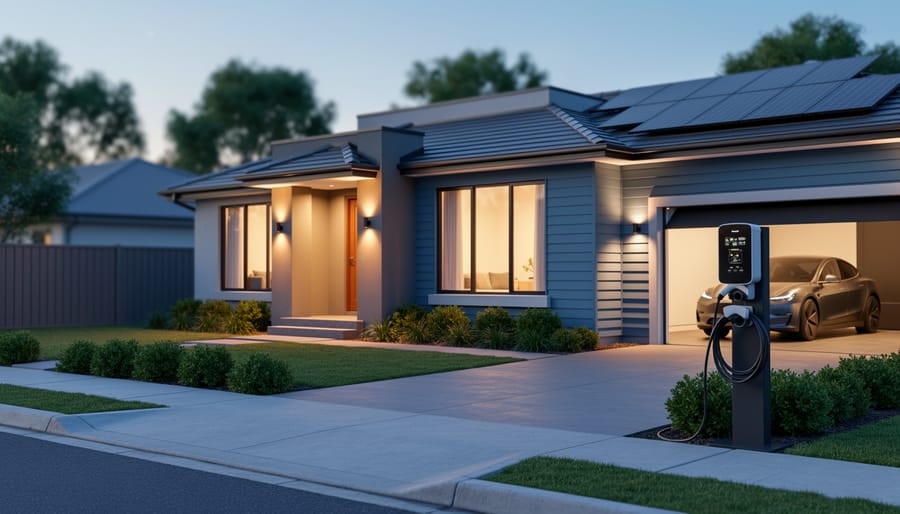
The smartest home upgrades in 2026 deliver between 70% and 100% ROI when you sell, with some improvements actually recovering their full cost while making your property more livable right now. Energy-efficient installations like EV charging stations currently lead the pack thanks to expanded federal tax credits covering up to 30% of installation costs, while traditional contractors like masonchimneyrepair.com report increased demand for renovations such as minor kitchen remodels and garage door replacements that continue to return 85-95% of their investment based on recent appraisal data.
Your best strategy depends on your timeline. Planning to sell within two years? Focus on high-visibility updates that appeal to the broadest buyer pool. Staying put for five years or more? Prioritize improvements that cut monthly utility costs while qualifying for government incentives, letting you recoup money before you ever list the property.
The calculation has shifted dramatically since 2024. Rising electricity rates now make solar installations pencil out in 43 states instead of just the sunny handful, and Level 2 EV chargers add measurable resale value as EV movement trends accelerate nationwide. Homeowners are increasingly asking about energy-efficient masonry options that combine classic curb appeal with lower heating bills.
The key is separating projects that genuinely add value from those that simply spend money. A $60,000 swimming pool might return only $30,000 at sale, while a $1,200 smart thermostat could save that much in energy costs over three years before adding to your home’s market price. This guide breaks down nine upgrades that actually earn their keep, ranked by current ROI and supported by real market data from 2026 sales.
How We Evaluated Return on Investment
Calculating which home upgrades genuinely earn their money back requires looking beyond simple purchase price versus resale value. We evaluated each upgrade through multiple financial lenses to give you the complete picture of what you’ll actually recoup.
Our analysis started with the Remodeling Cost vs. Value Report, which tracks how much homeowners spend on renovations nationwide and what percentage they recover when selling. However, this industry-standard data only tells part of the story. A kitchen refresh might recoup 80% in Austin but just 65% in Detroit, so we weighted regional real estate trends heavily in our recommendations.
The game-changer for 2026 is incentive availability. Federal tax credits, state rebates, and utility company programs can dramatically improve your net investment. An EV charging station that costs $2,000 out-of-pocket might only require $1,400 after incentives, instantly boosting your effective ROI. We factored in all currently available programs when calculating true costs.
We measured return on investment using these core criteria:
- Upfront installation cost minus applicable federal, state, and utility incentives
- Percentage of cost recovered at resale based on current market data
- Annual energy savings that reduce operating costs over time
- Alignment with 2026 buyer preferences, particularly environmental features
- Durability and warranty protection that preserve long-term value
Energy savings deserve special attention because they compound over time. An upgrade that saves $400 annually on utility bills effectively pays you back even before you sell. We calculated these savings using current energy prices and conservative usage estimates.
Finally, we considered buyer demand shifts. Features that seemed optional five years ago, like EV charging capability, now move homes faster in many markets. That speed translates to negotiating power and better sale prices, improving your realized return.
1. Home EV Charging Station Installation
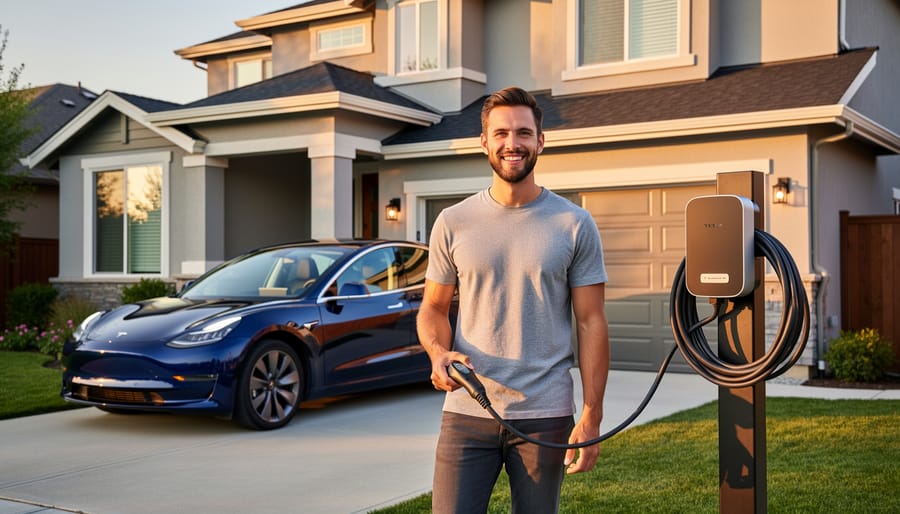
Installing a Level 2 EV charging station ranks among the highest-return home upgrades in 2026, combining immediate market appeal with long-term value. The typical installation runs $1,200 to $2,500 depending on your electrical panel’s capacity and charger location, yet it consistently adds $3,000 to $5,000 to your home’s resale value. That’s a 120-200% return before you factor in the convenience and cost savings of home charging.
The math becomes even more compelling when you consider buyer preferences. Recent surveys show that 78% of prospective EV owners consider home charging capability a must-have feature, and homes with installed chargers sell 3-7 days faster in competitive markets. You’re not just adding value; you’re expanding your pool of interested buyers significantly as EV adoption accelerates toward projections of 50% of new car sales by 2030.
Beyond the numbers, this upgrade demonstrates forward-thinking home improvement. Whether you choose universal J1772 chargers or explore Tesla charger options for brand-specific installations, you’re addressing a growing need that will only intensify. The electrical infrastructure you install now will serve multiple future vehicles, making it a genuine long-term asset rather than a trendy add-on.
The installation process itself is straightforward with a licensed electrician, typically completed in 3-4 hours for homes with adequate electrical capacity. If your panel needs upgrading, that increases the initial investment but also improves your home’s overall electrical infrastructure, another selling point for modern buyers who value reliable power for multiple high-draw devices and appliances.
2. Energy-Efficient Window Replacement
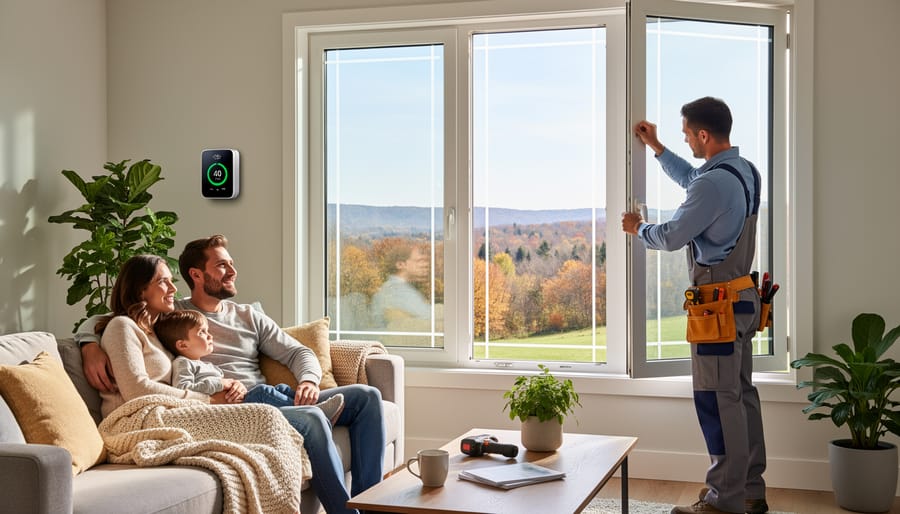
Replacing drafty, outdated windows with ENERGY STAR certified models delivers one of the most reliable returns in home improvements, recovering 70-80% of your investment when you sell while cutting energy costs from day one. A typical whole-house window replacement runs $8,000-$15,000, depending on your home’s size and the window quality you choose, but the combination of immediate energy savings and strong buyer appeal makes this upgrade particularly smart in 2026.
The financial benefit works two ways. First, modern energy-efficient windows reduce your heating and cooling bills by 12-15% annually. For a home with $2,000 in yearly HVAC costs, that translates to $240-$300 saved every year. Over a decade, you’re looking at $2,400-$3,000 in pocket, which offsets a significant chunk of the installation expense before you even consider resale value.
Second, buyers actively seek homes with newer windows because they understand the comfort and cost advantages. Energy-efficient windows eliminate cold drafts in winter and keep rooms cooler in summer, creating a more pleasant living environment that’s immediately noticeable during showings. The visual improvement also matters: clean frames, smooth operation, and modern styling enhance curb appeal and interior aesthetics.
Federal tax credits sweeten the deal considerably. Under the Energy Efficient Home Improvement Credit, you can claim 30% of window replacement costs, up to $600 annually. Many utility companies offer additional rebates ranging from $50-$200 per window, particularly for double or triple-pane models with low-E coatings. Check your local utility’s website before purchasing, as some rebates require pre-approval or specific ENERGY STAR performance ratings. These incentives can reduce your net investment by $1,500-$3,000, pushing your effective ROI well above 80% in many cases.
3. Attic Insulation Upgrade
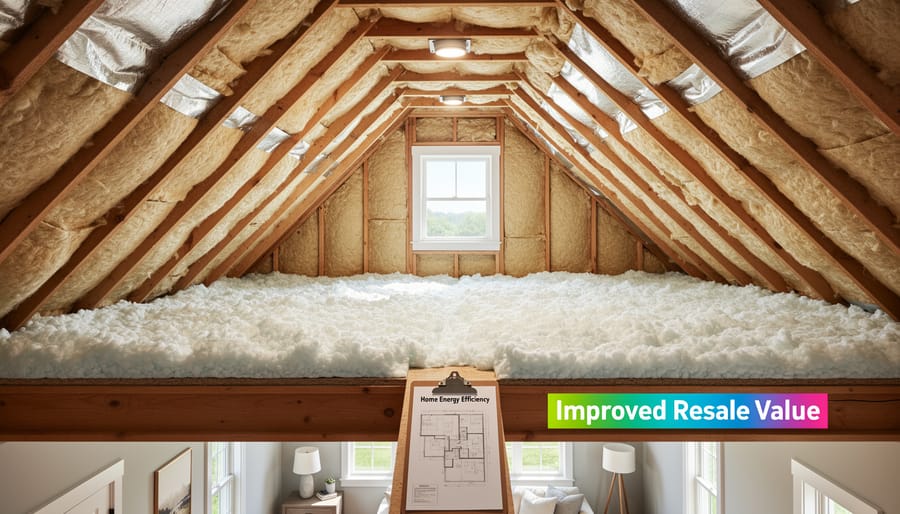
Upgrading your attic insulation stands out as one of the few home improvements that can actually exceed 100% return on investment when you factor in both energy savings and resale value. With installation costs ranging from $1,500 to $3,500 for most homes, this upgrade delivers outsized financial benefits compared to its modest price tag.
The financial case starts with immediate energy savings. Properly insulated attics reduce heating and cooling costs by 15-25% annually, which translates to $200-$400 in savings for typical households. Over five years, these savings alone can recover most of your upfront investment. When you sell, buyers recognize this value, with energy-efficient homes commanding premium prices in the 2026 market.
Most older homes have inadequate attic insulation by current standards. If your insulation is compressed, spotty, or measures less than 10-12 inches deep, you’re likely losing conditioned air through your roof. Modern blown-in fiberglass or cellulose insulation brings attic spaces up to R-38 to R-60 values, creating a thermal barrier that keeps your home comfortable year-round.
The upgrade becomes even more attractive with available incentives. The federal Energy Efficient Home Improvement Credit covers up to 30% of insulation costs (with annual limits), while many utility companies offer additional rebates for attic insulation projects. Some states provide supplemental credits for materials meeting specific efficiency thresholds.
Installation typically takes just one to two days, making this a quick win with minimal disruption. The upgrade pairs naturally with other energy-focused improvements, particularly when combined with air sealing to maximize thermal performance. For homeowners planning to stay put or preparing to sell, attic insulation delivers reliable returns with measurable impact on both comfort and costs.
4. Smart Thermostat and Home Energy Management
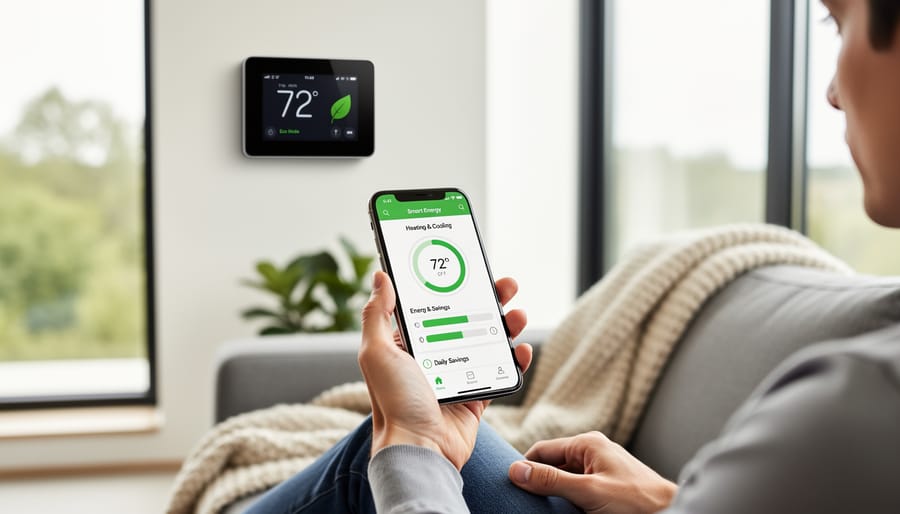
Smart thermostats represent one of the lowest-cost upgrades on this list while delivering measurable returns through both energy savings and buyer appeal. Installation typically runs $200 to $500 including the device and professional setup, yet these systems reduce heating and cooling expenses by 10 to 15 percent annually. For a household spending $2,000 yearly on HVAC, that translates to $200 to $300 in savings, meaning the upgrade pays for itself within two to three years.
Modern smart thermostats learn your schedule and adjust temperatures automatically, eliminating the energy waste that happens when heating or cooling an empty home. Many models provide detailed energy reports showing exactly when and how you use power, helping you spot wasteful patterns. This data becomes particularly valuable if you install a home EV charging station, since some smart energy management systems can schedule charging during off-peak hours when electricity rates drop and coordinate it with your thermostat to avoid simultaneous high-draw periods.
Buyers in 2026 expect smart home features, and an installed smart thermostat signals that a property has been thoughtfully maintained and updated. The technology also qualifies for utility company rebates in most areas, with programs offering $50 to $100 back on qualifying models. Check your local utility’s website before purchasing, as some rebates require specific models or enrollment in demand-response programs that further reduce your bills.
5. Minor Kitchen Refresh
A full kitchen renovation might sound appealing, but smaller, strategic updates deliver better returns on your investment. Cabinet refacing, updated countertops, and modern fixtures typically recoup 75-85% of costs at resale while transforming the space’s functionality and appearance.
Budget-conscious updates in the $10,000-$20,000 range consistently outperform luxury remodels when measured by percentage return. Homebuyers appreciate the visual refresh without paying the premium attached to high-end renovations. Refacing existing cabinets with new doors and hardware costs roughly one-third of full replacement while delivering similar aesthetic impact. Pair this with quartz or granite countertops that resist stains and scratches better than older materials.
Focus replacement dollars on energy-efficient appliances when your current models need updating. ENERGY STAR certified refrigerators use 40% less electricity than conventional models from 15 years ago, translating to $200-300 annual savings. Modern induction cooktops heat faster while consuming less power than traditional electric ranges. These efficiency upgrades appeal to environmentally conscious buyers and qualify for utility rebates that reduce your upfront costs.
Replace dated faucets and cabinet hardware for immediate visual improvement at minimal expense. LED under-cabinet lighting adds functionality while showcasing your countertops and backsplash. Install a low-flow faucet aerator to reduce water consumption by 30% without sacrificing pressure.
The key is targeting updates that address visible wear while improving daily function. Fresh paint on walls, new backsplash tile, and updated lighting fixtures create a modern feel without gutting the entire kitchen. This measured approach preserves your budget while delivering returns that compete with much costlier renovations.
6. Garage Door Replacement
Replacing an outdated garage door delivers one of the highest returns on investment among common home improvements, recovering 90-95% of costs at resale. With installation typically ranging from $2,000 to $4,000, this upgrade punches well above its modest price point because it transforms your home’s street appeal, the first thing potential buyers notice when they pull up.
Modern insulated garage doors do more than look polished. If you have an attached garage, an insulated model creates a thermal barrier that reduces heating and cooling loss by up to 20%, trimming energy costs year-round. That efficiency gain matters to buyers scanning utility bills and climate control features during their home search.
This upgrade pairs naturally with an EV charging station installation. Many homeowners who add a Level 2 charger mount it inside or just outside their garage, where a new door frames the entire space as updated and future-ready. If you’re considering a charger for your property, including EV chargers for condos that share garage facilities, coordinating both projects can create a cohesive modern garage environment that signals smart investment to prospective buyers.
Choose a door style that complements your home’s architecture. Steel models with wood-grain finishes offer durability and low maintenance, while carriage-house designs add character. Either way, this straightforward swap delivers immediate visual impact and long-term value that few other upgrades can match at this price point.
7. LED Lighting Conversion
Converting every light fixture in your home to LED bulbs represents one of the simplest yet most financially rewarding upgrades you can make. The full-house conversion typically costs between $500 and $1,500, depending on your home’s size and the number of fixtures, but this investment pays for itself in just two to three years through dramatically lower electricity bills.
LEDs use approximately 75% less electricity than traditional incandescent bulbs while lasting 15 to 25 times longer, which means you’re saving money on both energy and replacement costs. A household that switches 20 bulbs to LEDs can expect to save roughly $200 annually on electricity, with the savings continuing for years since quality LED bulbs often last a decade or more.
Beyond the financial return, LED lighting appeals strongly to environmentally conscious buyers who recognize the reduced carbon footprint. Many utilities offer rebates ranging from $1 to $5 per LED bulb, which can cut your upfront investment by 30% to 50%. Check your local utility’s website for current programs, as some even provide free or deeply discounted LED starter packs for residential customers.
This upgrade pairs naturally with other energy-focused improvements like smart thermostats and EV charging stations. Just as you’d want to choose an EV installer carefully for proper certification, selecting quality LED bulbs with high Color Rendering Index ratings ensures your lighting looks natural while delivering maximum savings.
Maximizing Your Return: Installation and Incentive Tips
Getting the most value from your home upgrades requires strategic planning beyond just choosing the right projects. Timing matters significantly: the federal tax credit for EV charging stations and energy-efficient improvements currently offers up to 30% back, but these incentives often have expiration dates or annual caps. Review the database of State Incentives for Renewables & Efficiency (DSIRE) before scheduling work to understand which credits you qualify for and when they expire.
Bundling upgrades strategically can unlock additional savings. Many utility companies offer tiered rebates that increase when you complete multiple energy improvements simultaneously. Installing LED lighting alongside new windows and attic insulation, for instance, might qualify you for a higher rebate percentage than each upgrade individually. Similarly, pairing an EV charging station with solar panels creates a powerful combination, especially if you plan to use solar to charge your vehicle, which can eliminate fuel costs entirely while maximizing available federal credits.
Installer certification isn’t just bureaucratic formality. For EV charging stations, working with certified electricians who understand local codes and utility requirements ensures your installation qualifies for incentives and operates safely. Many manufacturers void warranties if installation isn’t performed by qualified professionals. Request proof of licensing, insurance, and specific certifications for the equipment you’re installing.
Documentation separates claims from proof when tax season arrives or buyers ask for renovation history. Save all receipts, permit applications, manufacturer certifications, and installer invoices in a dedicated file. Photograph the work at various stages and keep a simple spreadsheet tracking project costs, dates, and associated incentive applications. When you sell, this organized record demonstrates the value you’ve added and justifies your asking price with concrete evidence rather than estimates.
How We Chose This List
We selected these seven upgrades by analyzing multiple data sources and prioritizing projects that demonstrate measurable financial returns rather than subjective value. Our evaluation weighted three primary factors: documented cost-recoupment percentages from national remodeling studies, actual energy savings calculated over typical ownership periods, and current availability of federal or state incentives that improve the net investment equation.
Each upgrade needed to meet a minimum 70% cost recovery threshold at resale or achieve payback through utility savings within five years. We deliberately excluded cosmetic improvements that depend heavily on personal taste, focusing instead on functional upgrades with broader market appeal. Regional price variations were considered, though we prioritized projects with consistent performance across different housing markets.
Special emphasis went to upgrades supporting sustainable living and EV adoption, reflecting demonstrated buyer preferences in 2026. We verified that all recommended projects qualify for available tax credits or rebates, and confirmed that professional installation options exist nationwide. Projects requiring specialized ongoing maintenance or offering returns only in specific climate zones were excluded to ensure universal applicability.
Common Questions About Home Upgrade ROI
Do energy upgrades really add resale value or just save money?
They do both. While you’ll see immediate savings on utility bills, energy-efficient upgrades also increase your home’s market value because buyers are willing to pay more for lower ongoing costs and modern features.
How long should I plan to stay in my home for upgrades to pay off?
Most upgrades mentioned here recoup 70% or more at resale immediately, so even short-term ownership works. For maximum benefit through energy savings, plan to stay at least three to five years.
Can I combine federal and state incentives?
Yes. Federal tax credits and state or utility rebates typically stack, letting you reduce your upfront costs significantly. Check specific program rules, as some may have coordination requirements.
What documentation do I need for tax credits?
Keep your itemized receipts, manufacturer certifications showing the product meets efficiency standards, and contractor invoices listing materials and labor separately. For EV chargers, you’ll also need proof the equipment is eligible under current tax credit guidelines.
Beyond the basics covered above, market conditions play a substantial role in your actual returns. ROI percentages shift based on regional buyer priorities: homes in California or Colorado may see higher premiums for EV charging stations due to strong electric vehicle adoption, while traditional upgrades like kitchen refreshes might carry more weight in markets where EVs are less common. Urban buyers often prioritize energy efficiency and smart home features, whereas suburban markets may value garage upgrades and curb appeal improvements more heavily.
Regarding insurance and property taxes after installing an EV charger, the impact is usually minimal. Most insurers don’t increase homeowner’s premiums for a Level 2 charger since it’s considered a standard electrical appliance. Property tax assessments vary by jurisdiction, but the modest increase in home value from a charger installation rarely triggers a significant tax bump. Some municipalities specifically exempt energy-related improvements from reassessment. Contact your local tax assessor if you’re concerned about valuation changes, and notify your insurance provider about the installation to ensure your policy covers the equipment.
The key takeaway: research your local market and available incentives before committing to any upgrade. What works financially in one region or timeframe might not deliver the same returns elsewhere, so align your choices with both your plans and your area’s buyer preferences.
The upgrades that deliver the strongest financial returns in 2026 share two characteristics: they attract buyers immediately while reducing operating costs for years to come. Energy-efficient improvements and EV charging infrastructure lead the pack precisely because they address both concerns simultaneously.
You don’t need to tackle everything at once. Focus on upgrades that match your timeline and take advantage of current incentives while they’re available. If you’re planning to sell within two years, prioritize high-visibility improvements like garage doors and LED lighting. Staying longer? Insulation, windows, and smart thermostats will pay dividends through reduced utility bills before adding resale value.
The data consistently shows that homes supporting sustainable living command premium prices. Installing a Level 2 EV charger stands out because it future-proofs your property while the federal tax credit covers 30% of installation costs. Even if you don’t own an electric vehicle yet, buyers increasingly expect this infrastructure.
Start by identifying which federal and state incentives apply to your situation, then map upgrades accordingly. The combination of immediate tax benefits, ongoing energy savings, and enhanced resale value makes these improvements genuinely smart investments rather than expenses. Your home becomes more valuable while your environmental impact decreases.