The renewable energy transition refers to the global shift from fossil fuel-based power generation to clean, sustainable energy sources like solar, wind, and hydroelectric power. This transformation reshapes how we produce, distribute, and consume energy across every sector of the economy, from the electricity powering our homes to the fuel propelling our vehicles.
Understanding this transition matters because it directly affects your utility bills, transportation choices, and the environmental legacy we’re creating. The shift isn’t just happening at the policy level. It’s unfolding in practical ways that touch daily life, from rooftop solar panels generating electricity credits to electric vehicles replacing gas-powered cars in driveways across the country.
The scale of change is substantial. Renewable sources now account for a growing share of electricity generation worldwide, supported by technological advances that have made solar panels and wind turbines more efficient and affordable than ever. Battery storage systems solve the intermittency challenge, storing excess energy when the sun shines brightest or winds blow strongest for use during peak demand hours.
For vehicle owners and homeowners, this transition creates tangible opportunities. Federal and state governments offer significant tax credits and rebates for installing solar systems, purchasing electric vehicles, and upgrading to energy-efficient appliances. These financial incentives reduce upfront costs and accelerate payback periods, making sustainable choices increasingly accessible.
The transportation sector represents one of the most visible examples of this energy shift. Electric vehicles eliminate tailpipe emissions while typically costing less to fuel and maintain than conventional cars. Charging infrastructure continues expanding, making EV ownership practical for more people each year.
This article explains how the renewable energy transition works in practice, breaks down the key technologies driving the change, and shows you how to participate in ways that benefit both your wallet and the environment.
What the Renewable Energy Transition Means
The renewable energy transition represents a fundamental shift in how societies generate and consume power. At its core, this means replacing energy systems built on coal, oil, and natural gas with sources that regenerate naturally and produce minimal carbon emissions during operation. Think of it as swapping out the engines that run modern civilization, from the grid supplying your home to the fuel propelling your vehicle.
- Renewable Energy
- Power generated from sources that naturally replenish, including solar, wind, hydro, geothermal, and biomass. Unlike fossil fuels, these sources do not deplete with use.
- Fossil Fuels
- Carbon-based energy sources formed over millions of years from ancient organic matter, primarily coal, oil, and natural gas. Burning these releases stored carbon dioxide into the atmosphere.
- Decarbonization
- The process of reducing carbon dioxide emissions across energy systems by replacing fossil fuel sources with clean alternatives. This forms the technical backbone of the renewable energy transition.
- Sustainable Energy
- Energy production methods that meet current needs without compromising future availability or environmental health. Sustainability encompasses both renewable sources and efficient consumption practices.
- Energy Independence
- The ability to meet energy needs through domestic resources rather than imported fossil fuels. Renewable sources like rooftop solar offer individuals and nations greater control over their energy supply.
This transition touches nearly every aspect of daily life. When you charge an electric vehicle at home instead of stopping at a gas station, that’s the renewable energy transition in action. When new housing developments install solar panels as standard equipment, or when your utility company adds wind farms to its generation mix, these changes reflect the broader shift away from extractive, carbon-intensive energy systems.
The transition does not happen overnight or uniformly. Different regions progress at different speeds based on available resources, existing infrastructure, and policy support. However, the direction remains consistent: moving toward energy sources that can power modern life indefinitely without depleting natural resources or destabilizing the climate. For most people, this transition shows up first in transportation choices and home energy options, both areas where technology has matured enough to offer practical, cost-effective alternatives to traditional fossil fuel dependence.
How the Renewable Energy Transition Works
Infrastructure Development
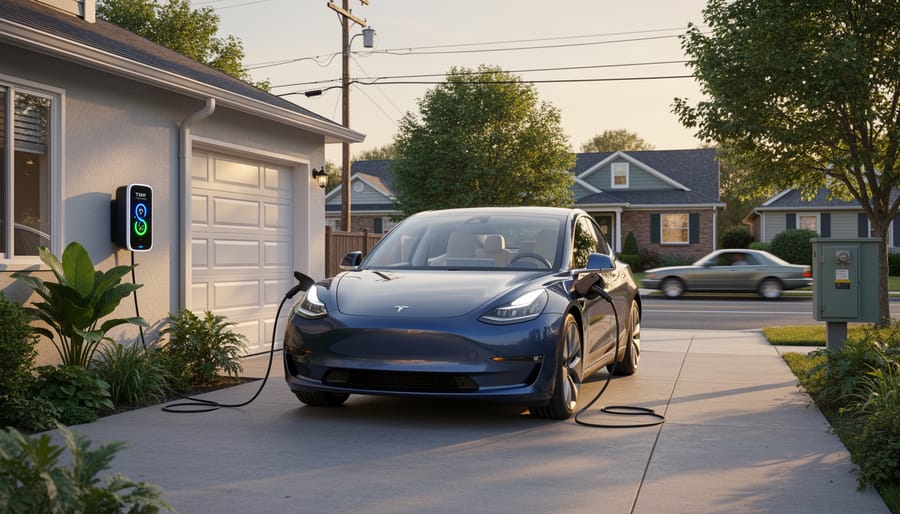
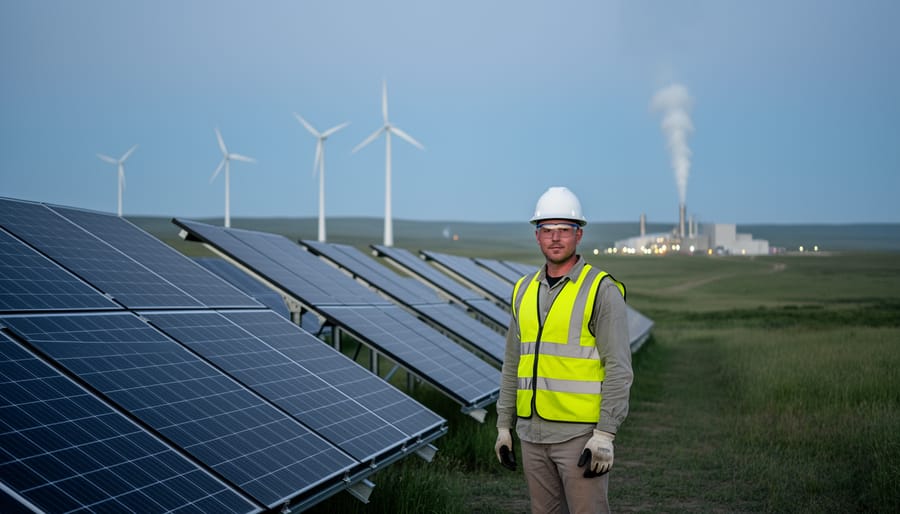
The physical foundation of renewable energy starts with building new systems where old ones stood. Solar arrays now occupy land once reserved for fossil fuel extraction, while offshore wind turbines generate power in coastal waters. These installations don’t just supplement existing infrastructure, they actively replace coal plants and oil refineries being phased out across the country.
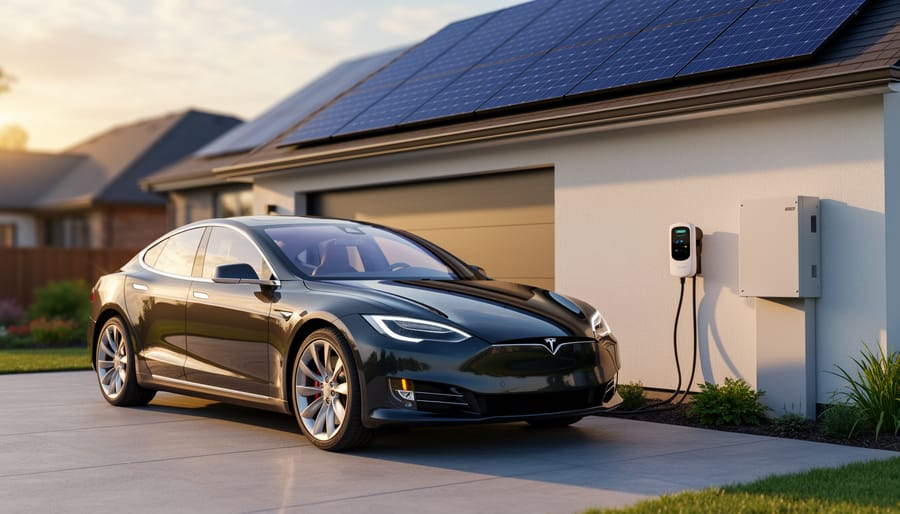
EV charging networks represent one of the most visible shifts in this infrastructure overhaul. Public charging stations are appearing in parking lots, shopping centers, and along highways, creating a network that mirrors the convenience of traditional gas stations. More significantly, residential charging solutions bring energy independence directly to homeowners. Installing a Level 2 charger at home eliminates most trips to fuel up, while home solar EV charging systems combine panels with charging infrastructure to power vehicles entirely from rooftop generation.
Commercial properties are making similar investments. Businesses install charging stations for employee fleets and customer use, turning parking spaces into energy distribution points. This infrastructure buildout creates a self-reinforcing cycle: more charging availability drives EV adoption, which justifies expanding the network further.
Technology and Innovation
Battery storage has transformed from a limiting factor to an enabling force in the renewable energy transition. Modern lithium-ion batteries now store enough power to run an average home through the night on solar energy collected during the day. Tesla Powerwall and similar systems hold 13-15 kWh of energy, while commercial installations scale to megawatt capacity. These batteries charge when renewable sources produce excess power and discharge when demand exceeds generation, smoothing out natural fluctuations in solar and wind output.
Solar panel efficiency has jumped from 15% in early residential installations to over 22% in current mainstream panels. This means a smaller roof area generates the same electricity, making solar viable for more homes. Bifacial panels capture sunlight from both sides, and new perovskite-silicon tandem cells promise 30% efficiency within years.
Smart grid technology coordinates all these components through real-time communication. Your EV charger can automatically start when electricity rates drop overnight. Grid operators balance supply across thousands of sources instead of relying on a few large plants. Smart meters track your production and consumption by the minute, letting you see exactly when renewable energy powers your home and vehicle.
Policy and Incentive Support
Government support plays a crucial role in making renewable energy accessible. Federal programs offer substantial financial incentives that reduce upfront costs and improve long-term economics for both residential and commercial installations.
The federal Investment Tax Credit (ITC) allows homeowners and businesses to deduct a significant percentage of solar installation costs from their taxes. For EV charging infrastructure, the Alternative Fuel Infrastructure Tax Credit covers up to 30% of equipment and installation expenses, making home charging stations more affordable. These tax credits boost deployment by directly lowering the financial barrier to entry.
State and local programs add another layer of support. Many states offer additional rebates, property tax exemptions, and net metering policies that credit homeowners for excess solar energy fed back to the grid. Utility companies frequently provide incentives for installing charging stations or upgrading to time-of-use electricity rates that favor overnight EV charging when renewable energy is most available.
Low-interest financing programs and power purchase agreements further reduce barriers by eliminating large upfront payments. These combined incentives can cut total project costs by 40-50%, transforming renewable energy adoption from aspirational to practical for middle-income households and small businesses.
Components of the Renewable Energy Transition

Transportation Electrification
Transportation electrification represents one of the most visible and accessible parts of the renewable energy transition. When you drive past a new charging station or see more electric vehicles on the road, you’re witnessing this transformation firsthand.
The shift from traditional gas-powered cars to electric vehicles fundamentally changes how we fuel our daily transportation. Instead of pulling into a gas station, EV owners charge at home overnight, at workplace charging stations, or at public charging points during longer trips. This change affects where and how we think about refueling, making it more convenient for most drivers since charging happens while the car sits parked rather than requiring a dedicated stop.
Current adoption shows real momentum. Electric vehicles now account for over 9% of new car sales in the United States, with that percentage climbing steadily as more affordable models enter the market and charging infrastructure expands. Major automakers have committed to electric lineups, signaling that this transition isn’t temporary but represents the future of personal transportation.
The charging network continues to grow rapidly, with installations at homes, apartment complexes, workplaces, shopping centers, and along highways. Level 2 chargers handle most daily charging needs, adding about 25 miles of range per hour. Fast chargers along major routes can add 200 miles in roughly 30 minutes, making long-distance travel practical.
For drivers, the benefits extend beyond environmental impact. EVs cost less to operate, with electricity cheaper than gasoline and fewer moving parts requiring maintenance. No more oil changes, transmission repairs, or exhaust system replacements.
Residential and Commercial Energy Systems
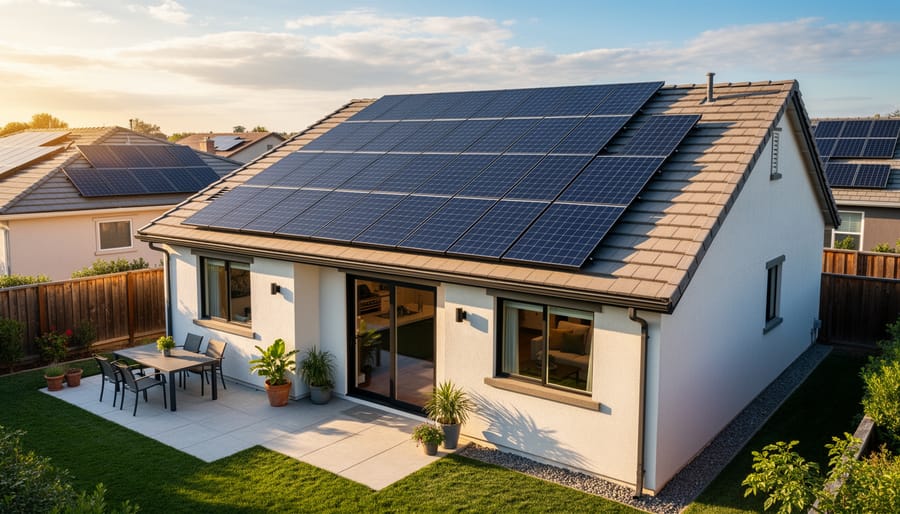
Solar panels on rooftops and commercial buildings capture sunlight and convert it into electricity that powers daily operations, from lighting and appliances to heating and cooling systems. Modern installations typically include inverters that transform solar-generated DC power into usable AC electricity for the building. When paired with home battery storage systems, these setups store excess energy produced during sunny periods for use at night or during cloudy weather, creating a more reliable and self-sufficient energy supply.
Businesses benefit from similar installations scaled to their higher energy demands. Office buildings, warehouses, and retail spaces install larger solar arrays that offset significant portions of their electricity costs while reducing carbon emissions. Many commercial facilities combine solar power with smart energy management systems that optimize when to draw from the grid, when to use stored battery power, and when to charge electric vehicle fleets.
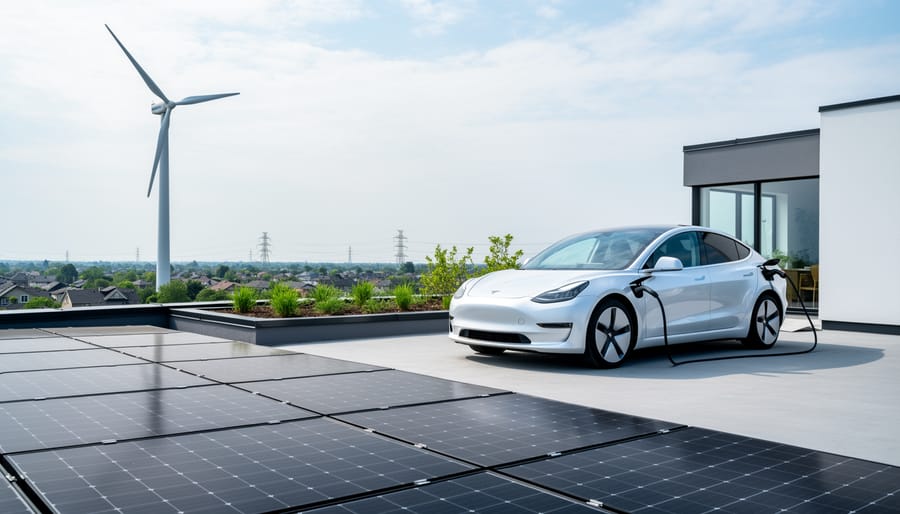
The integration of EV charging into these systems creates a complete sustainable energy ecosystem. Homeowners with solar panels can charge their electric vehicles using power they generate themselves, eliminating both gasoline costs and reliance on grid electricity. Tesla solar charging solutions exemplify this integration by combining solar generation, battery storage, and EV charging into unified home energy systems. This approach maximizes the environmental and financial benefits of renewable energy adoption while providing practical, everyday value.
Grid and Storage Solutions
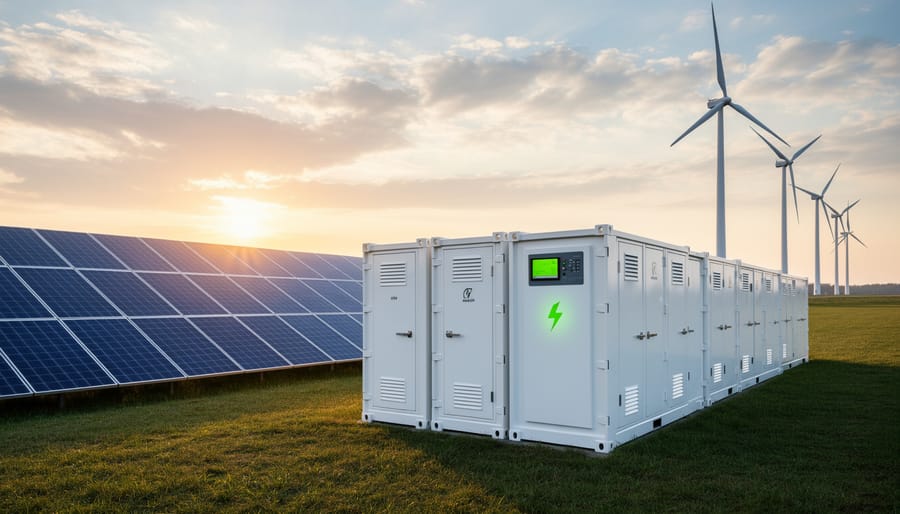
Modern electrical grids now incorporate smart technology that balances renewable energy supply with consumer demand in real time. These upgraded systems automatically redirect power from areas of excess generation to regions experiencing higher usage, ensuring consistent electricity delivery even when solar and wind production fluctuates throughout the day.
Battery storage systems solve the intermittency challenge that once limited renewable energy adoption. Large-scale installations store excess solar and wind power generated during peak production hours, then release this energy during evening hours or periods of low generation. Home battery systems work similarly, capturing surplus rooftop solar energy for use after sunset or during grid outages.
This combination of intelligent grid management and distributed storage creates reliability that matches or exceeds traditional power systems, eliminating the concern that renewable energy can’t provide stable, round-the-clock electricity.
Where Renewable Energy Transition Is Applied
The renewable energy transition happens in everyday settings, from single-family homes to large corporate operations. Understanding these practical applications shows how accessible this shift has become.
Homeowners lead adoption by installing rooftop solar panels paired with EV charging stations. A typical residential setup includes solar arrays that generate electricity during daylight hours, battery storage systems that hold excess power, and Level 2 EV chargers that restore vehicle range overnight using clean energy produced on-site. Many homeowners start with a single component, often an EV charger, then expand their renewable infrastructure over time. State and federal incentives reduce upfront costs significantly, making these installations financially viable for middle-income households. The integration works seamlessly: solar panels feed the home’s electrical system, excess energy charges the vehicle or flows back to the grid, and the homeowner reduces both utility bills and fuel expenses simultaneously.
Businesses implement renewable solutions at a larger scale through commercial fleet electrification. Delivery companies, taxi services, and corporate vehicle pools replace combustion engines with electric alternatives, installing dedicated charging infrastructure at depots and offices. These fleet operations benefit from predictable routes and centralized charging, which simplifies the transition. A delivery company might install dozens of high-speed chargers at its distribution center, schedule vehicle charging during off-peak electricity hours, and power the entire operation with rooftop solar or purchased renewable energy credits. The operational savings compound quickly, lower fuel costs, reduced maintenance, and improved public perception. Companies also adapt their infrastructure to accommodate various vehicle types using equipment like a Tesla charger adapter to ensure compatibility across different EV models.
Communities participate through shared solar programs that allow renters and those without suitable roofs to access renewable energy. Subscribers purchase or lease portions of a community solar farm, receiving credits on their utility bills for the energy their share produces. These programs democratize access, removing the barrier of homeownership or upfront capital. Municipalities also install public EV charging networks in parking facilities and downtown areas, creating infrastructure that supports residents without home charging capability.
Each application demonstrates that the renewable energy transition operates through distributed, practical implementations rather than requiring massive individual investments or complete lifestyle overhauls.
Financial Incentives and Support Programs
Financial support makes renewable energy adoption accessible right now. Federal tax credits cover up to 30% of installation costs for residential solar panels and home EV charging equipment through 2032. The Alternative Fuel Vehicle Refueling Property Credit specifically allows homeowners to claim up to $1,000 for EV charger purchases and installation expenses.
State programs layer additional savings on top of federal benefits. California offers rebates up to $2,000 for Level 2 home chargers through the Clean Vehicle Rebate Project. New York’s Charge Ready NY program covers 50% of installation costs for residential charging stations. Massachusetts provides rebates reaching $1,500 through MOR-EV. These state incentives change frequently, so checking your state energy office website ensures you access current programs.
Utility companies run targeted rebate programs for customers installing EV chargers or solar systems. Many utilities offer $500 to $1,500 rebates for home charging equipment, often requiring you to charge during off-peak hours when electricity costs less and grid demand is lower. Some utilities also provide time-of-use rate plans that cut charging costs by 50% or more compared to standard rates. Contact your electric provider directly to learn about available programs and enrollment requirements.
Accessing these incentives requires documentation and timing. Save all purchase receipts and installation invoices. For federal tax credits, file IRS Form 8911 with your annual tax return. State and utility rebates typically need online applications submitted within 90 days of installation. Many installers handle paperwork as part of their service, simplifying the process.
Financing options make upfront costs manageable even before rebates arrive. Property Assessed Clean Energy (PACE) programs let homeowners repay renewable energy investments through property tax bills over 20 years. Green energy loans from credit unions often carry rates below 5%. Some installers offer zero-down payment plans. When you combine these financing tools with incentives and the ability to connect to any station while reducing fuel costs, the renewable transition becomes financially practical for most households today rather than years from now.
Common Questions About Renewable Energy Transition
How much does renewable energy transition cost, and is it really achievable for ordinary households and businesses? These questions come up constantly, and understandably so. The shift to sustainable energy represents a significant change in how we power our lives, but it’s more accessible than most people realize, especially with current incentive programs reducing upfront expenses.
How much does it cost to switch to renewable energy?
Costs vary widely based on your specific solutions, but federal tax credits cover up to 30% of installation expenses for solar panels and EV charging equipment, while many states offer additional rebates. A home EV charger typically costs $500, $2,000 for the unit plus installation, but incentives often reduce this by half or more.
Is renewable energy reliable enough for daily use?
Yes. Modern battery storage and grid integration ensure consistent power delivery, and utilities maintain backup systems during the transition period. Millions of households already rely exclusively on renewable energy for transportation and home power without disruption.
How long does the transition take?
For individuals, initial steps like installing an EV charger or adding solar panels can happen within weeks to months. The broader societal transition is ongoing and expected to accelerate through the 2030s as technology improves and costs continue dropping.
Will I save money long-term?
Most renewable energy investments pay for themselves within 5-10 years through reduced fuel and electricity costs. EV owners typically save $800, $1,200 annually on fuel alone compared to gas vehicles, while solar installations can eliminate or drastically reduce monthly electric bills.
Another common concern involves practical issues during adoption. If your charger won’t connect properly or you experience other technical challenges, these are usually straightforward fixes rather than fundamental problems with the technology itself. Professional installers provide warranties and support, and most equipment manufacturers offer robust customer service.
The timeline for participation depends entirely on your situation and goals. You can start immediately by switching to a renewable energy plan from your utility, which requires no installation or upfront cost. Installing a home EV charger takes a few weeks once you’ve selected equipment and scheduled an electrician. Solar panel installations typically require 1-3 months from consultation to activation, accounting for permitting and installation. You don’t need to do everything at once. Many households begin with one change, see the benefits, then expand their renewable energy use over time as budgets allow.
The renewable energy transition isn’t some distant future scenario. It’s happening right now, and you can be part of it today. What once seemed like a massive, abstract shift has become a series of practical, achievable steps that homeowners and businesses are taking every day.
Installing an EV charger at your home or business represents one of the most direct ways to participate. These aren’t experimental technologies anymore. They’re proven, reliable solutions that people use daily to power their vehicles while reducing both emissions and fuel costs. When you pair an EV charger with solar panels and battery storage, you’re creating a complete clean energy system that cuts your utility bills while contributing to a cleaner environment.
The financial barriers that once made renewable energy feel out of reach have largely disappeared. Federal tax credits cover up to 30% of EV charger installation costs for qualifying projects. Many states and utilities offer additional rebates that can cover hundreds or even thousands more. These aren’t small symbolic gestures. They represent real money that makes the transition genuinely affordable for most households and businesses.
You don’t need to overhaul your entire life overnight. Start with what makes sense for your situation. If you’re considering an electric vehicle, research home charging options before you buy. If you already own an EV, explore solar integration to power it with truly clean energy. Each step builds on the last, creating momentum toward energy independence.
Your individual choice to adopt renewable energy technology joins millions of similar decisions worldwide. Together, these choices are reshaping how we power our lives, proving that large-scale environmental progress happens through countless practical actions by people just like you.